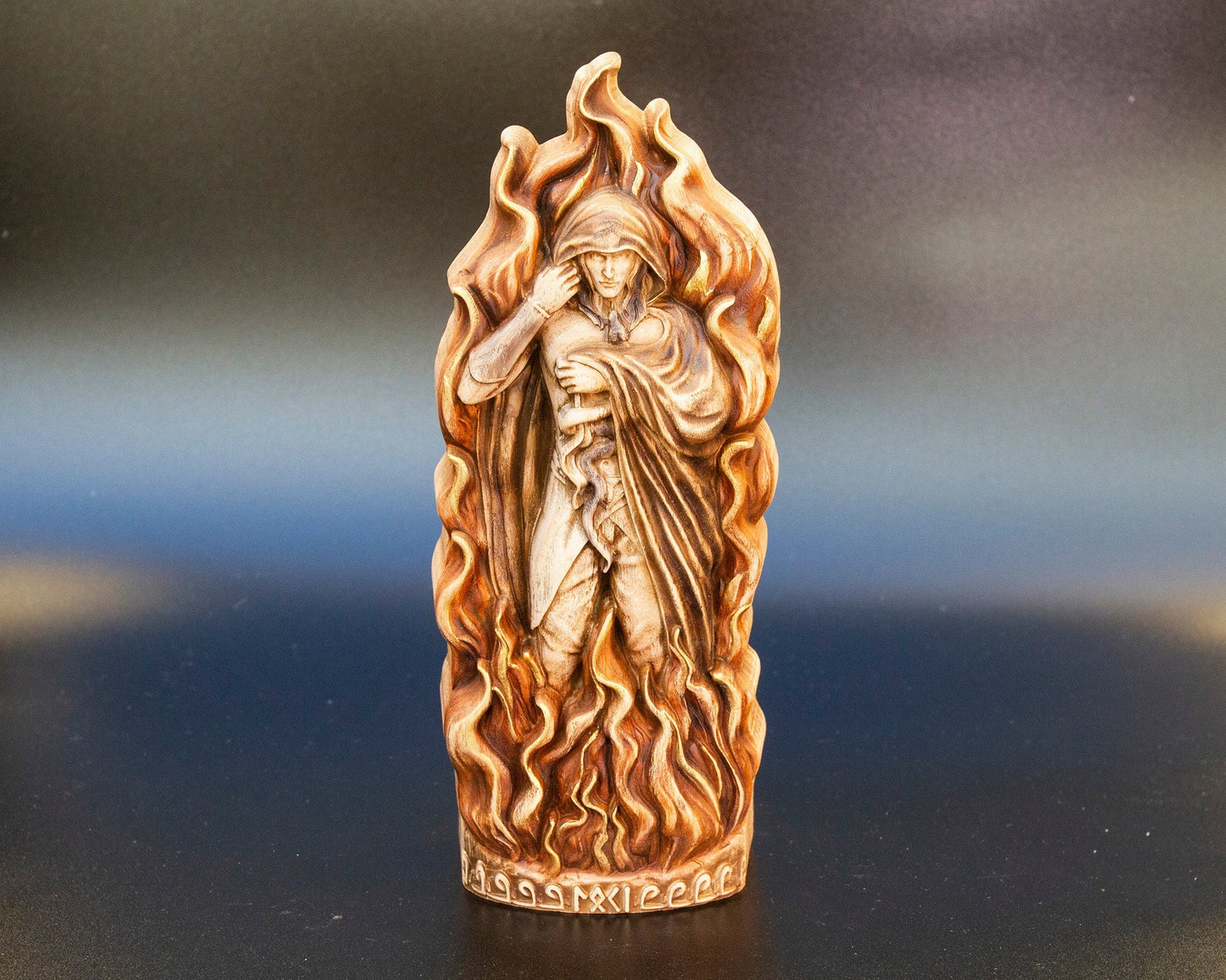
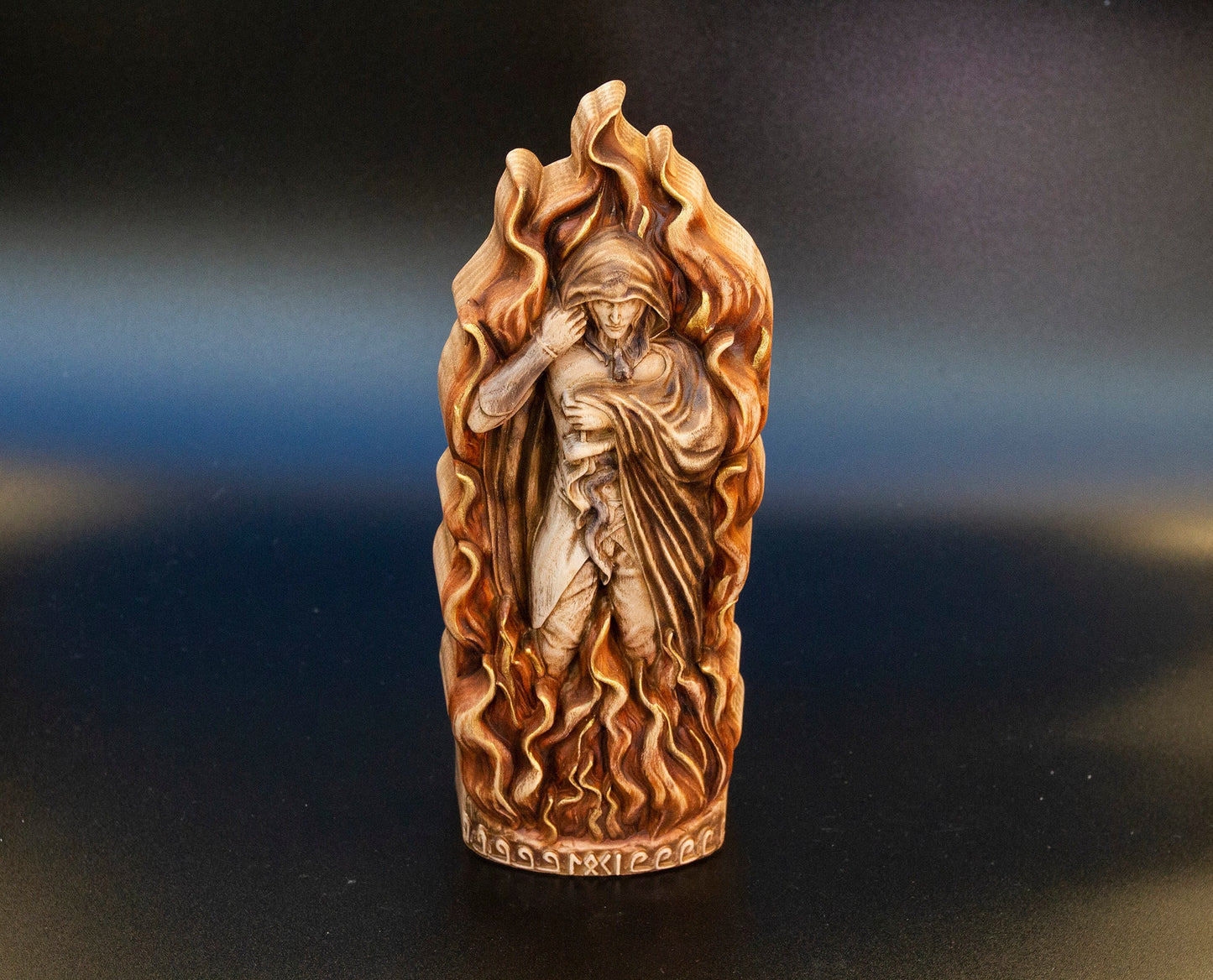
🌀 Loki Figure – Trickster God of Chaos, Wit & Fiery Rebellion
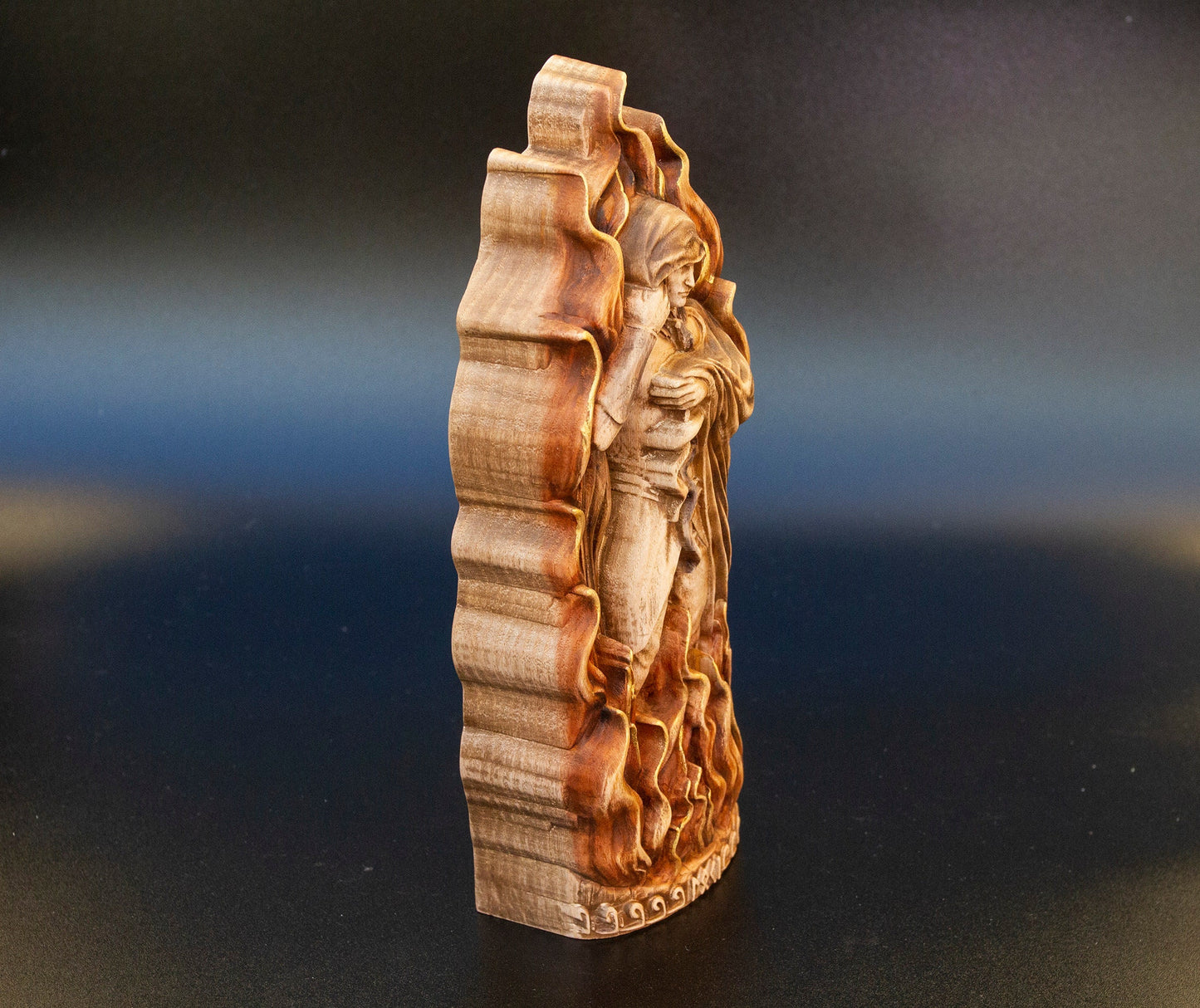
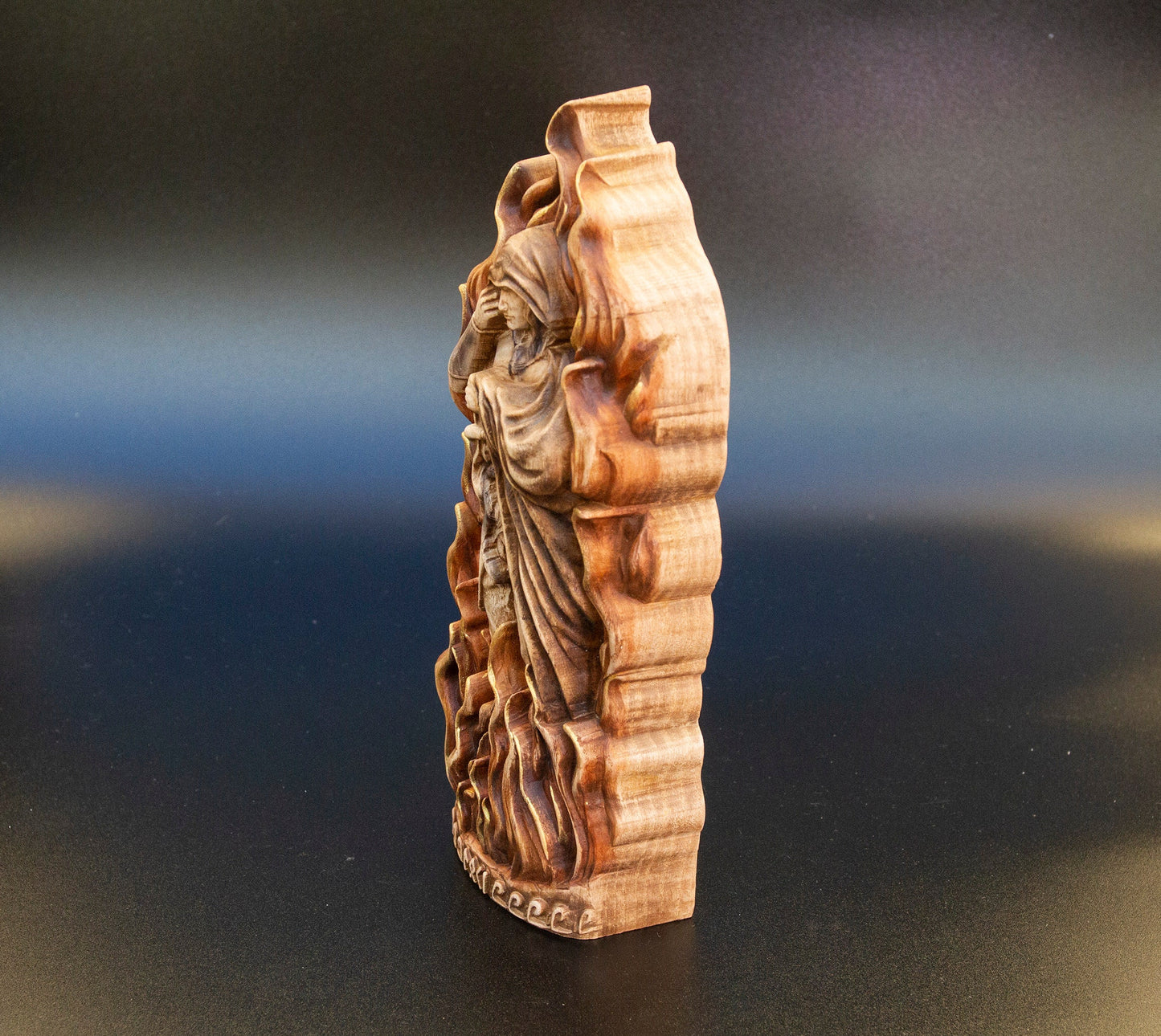
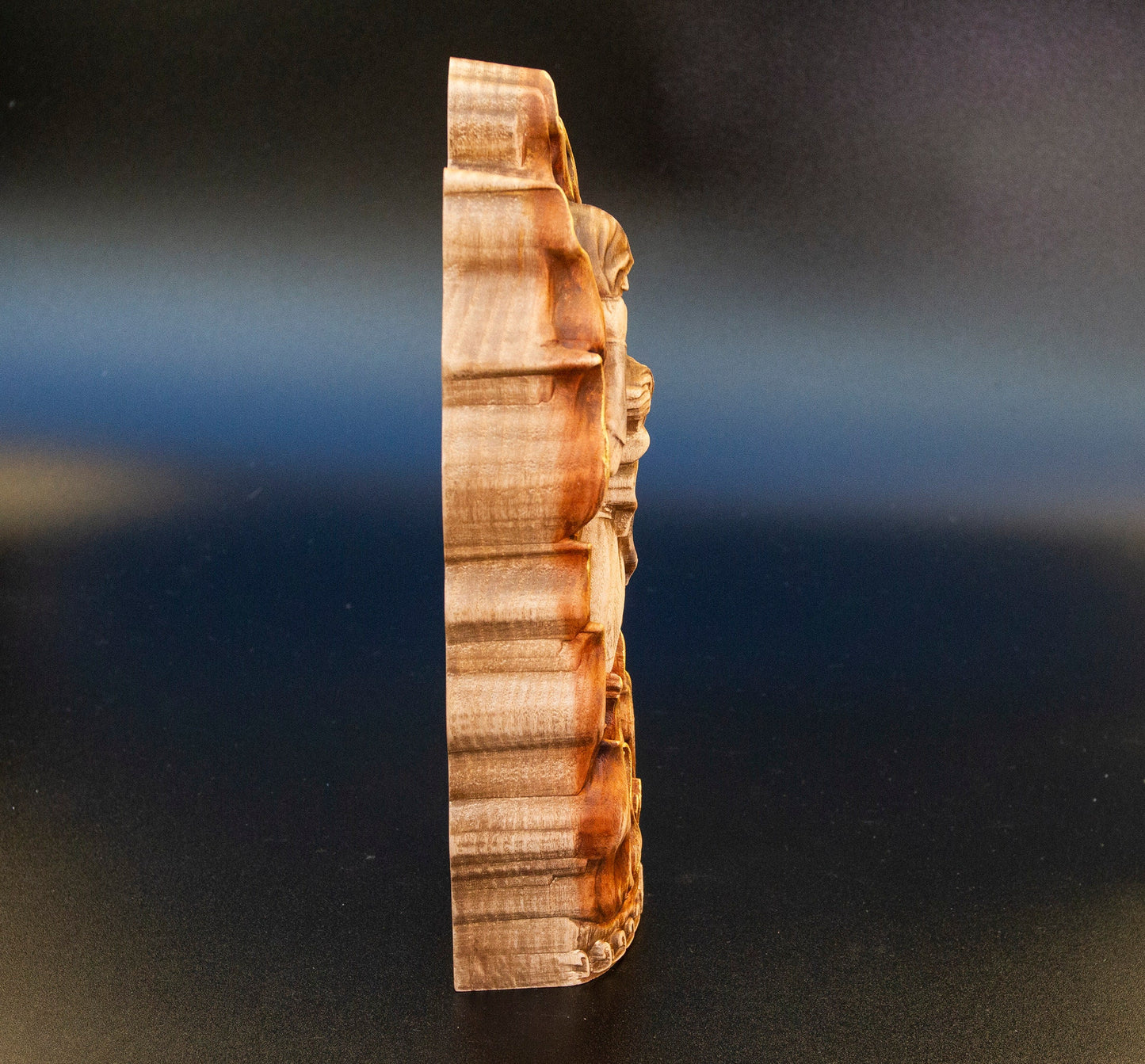
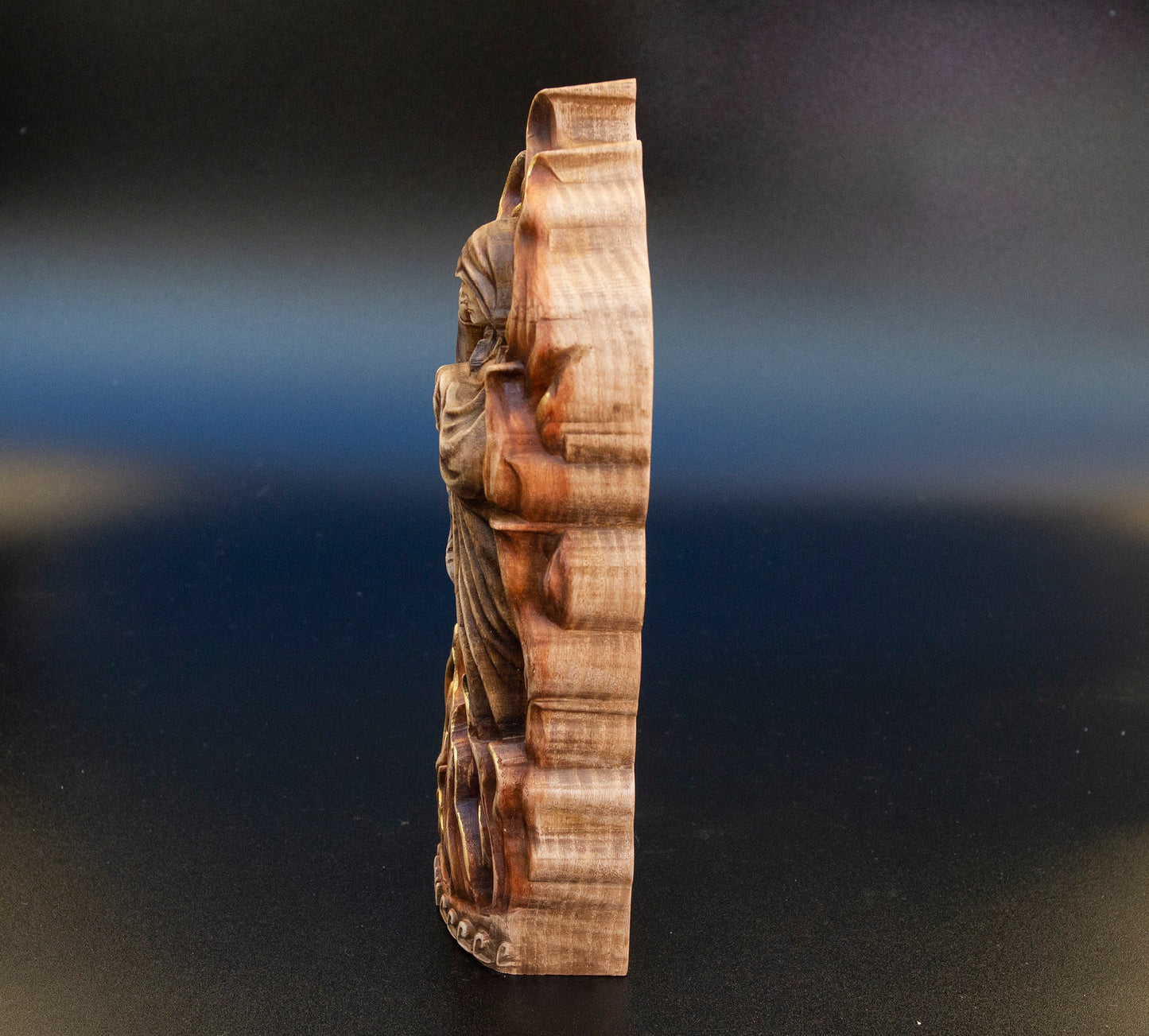
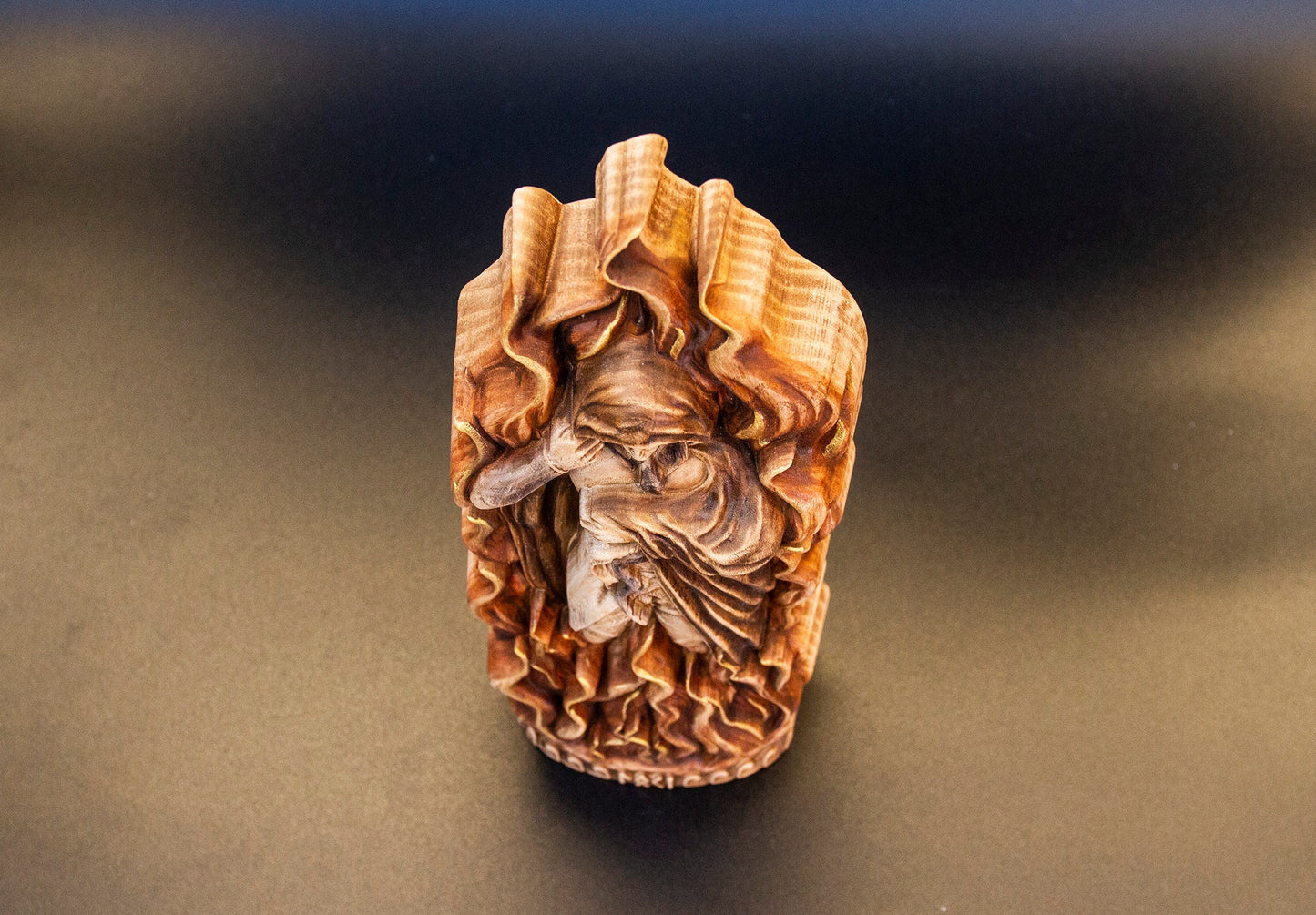
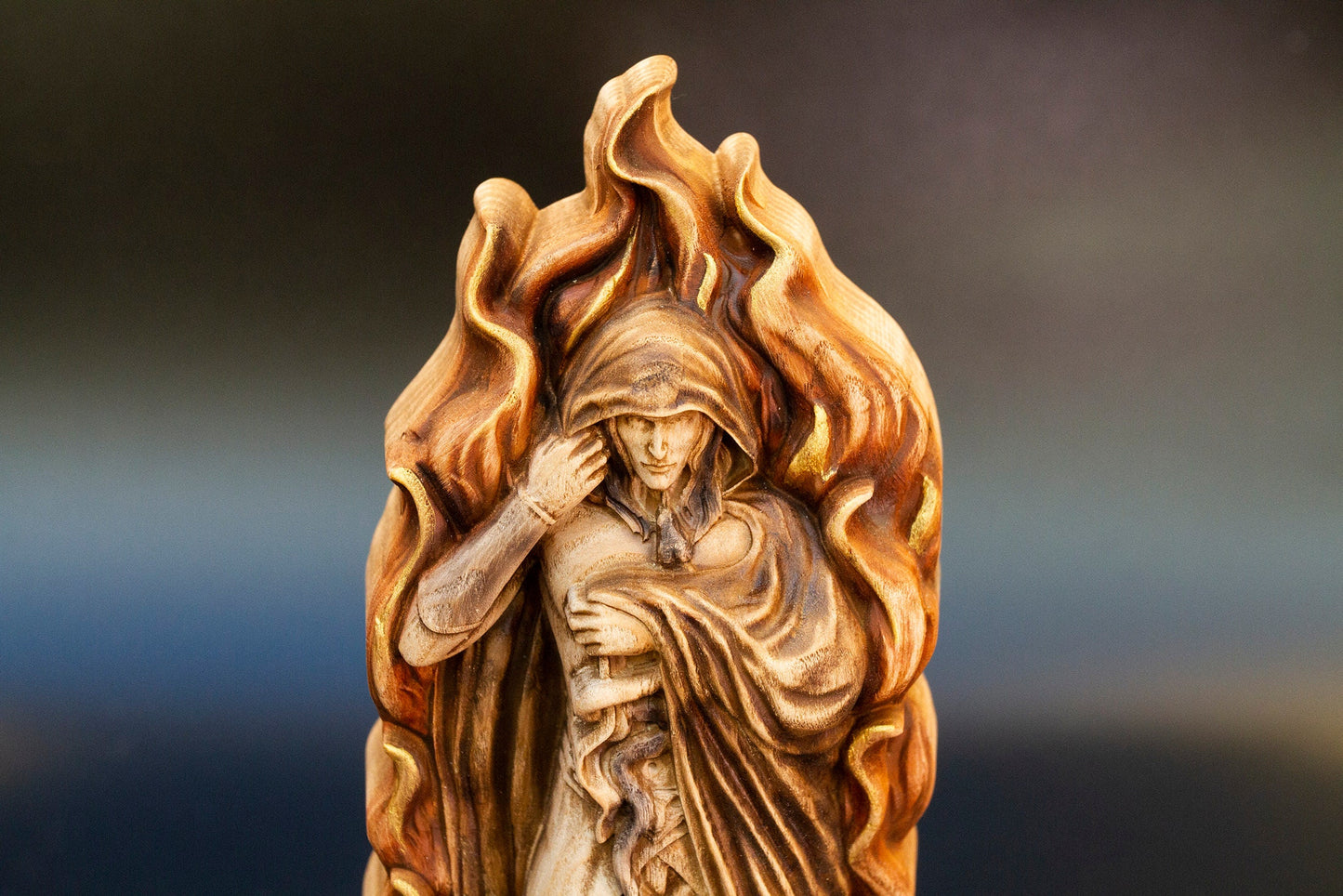
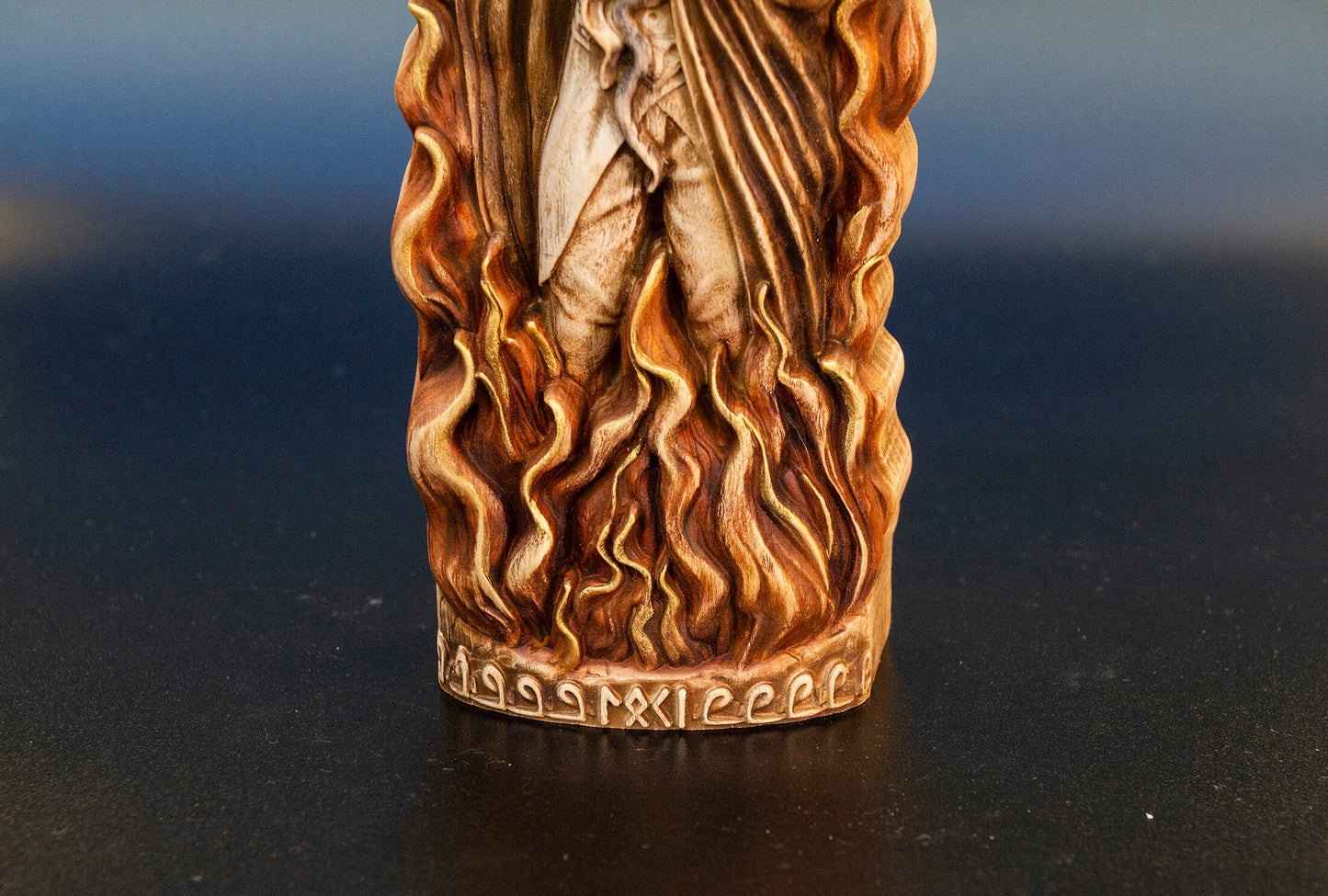
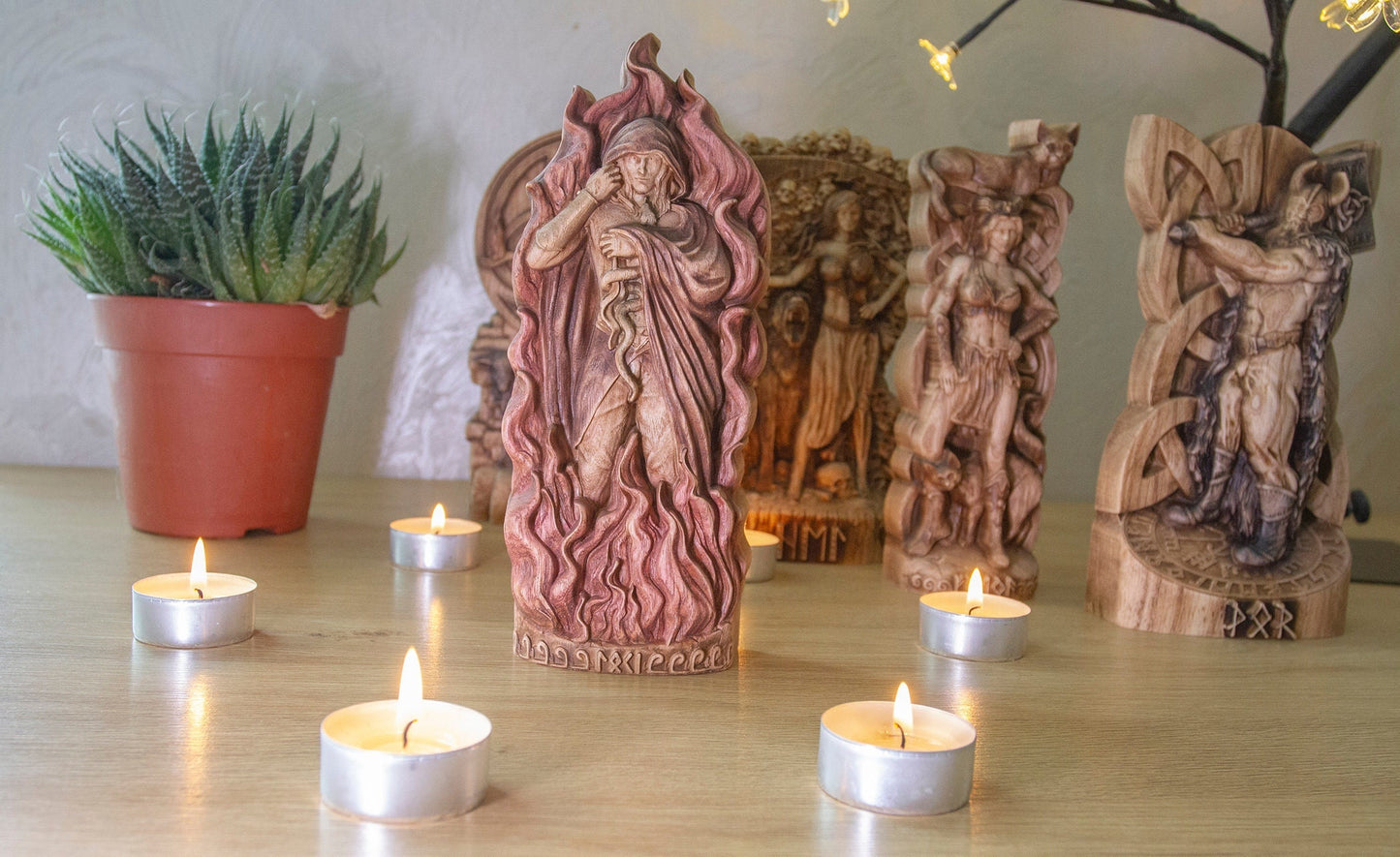
This captivating wooden figure of Loki, the Norse god of fire, cunning, and transformation, is carved from ecological ash wood and finished with a protective varnish. A unique variation featuring rising flames from his feet, this sculpture embodies Loki’s unpredictable nature and mythic charisma — perfect for altars, mythology collections, or bold interior displays.
📐 Product Specifications:
Attribute
Details
Material
Ecological ash wood 🌳
Coating
Varnish
Height
7.2 in / 18.5 cm
Width
5 in / 13 cm
Depth
2 in / 5.3 cm
Weight
Approx. 450 g
✨ Highlights:
✔️ Flame-Inspired Base – Symbolizes Loki’s fiery essence and transformative power
✔️ Expressive Carving – Captures his mischievous gaze and mythic posture
✔️ Versatile Decor – Ideal for altars, desks, or Norse-themed interiors
✔️ Gift-Ready – A meaningful present for mythology fans, spiritual seekers, or fantasy lovers
📖 Who Is Loki in Norse Mythology?
Loki (Old Norse: Loki) is one of the most complex figures in Norse mythology — a shape-shifter, trickster, and agent of chaos. Though born of the Jötunn tribe, he is counted among the Aesir gods due to his blood-bond with Odin.
His traits include:
🔥 Fire & Transformation – Often linked to elemental change and destruction
🧠 Cunning & Wit – Solves problems with cleverness, but also causes them
🐴 Shapeshifting – Transforms into animals, humans, and even gives birth to Sleipnir, Odin’s eight-legged horse
🧬 Father of Monsters – With the giantess Angrboda, he fathered Fenrir, Jörmungandr, and Hel
Loki is both friend and foe to the gods — helping them retrieve treasures, but also engineering the death of Baldr, which leads to Ragnarök. His duality makes him a symbol of unpredictable power, rebellion, and necessary disruption.